Hemp Info

SOURCING

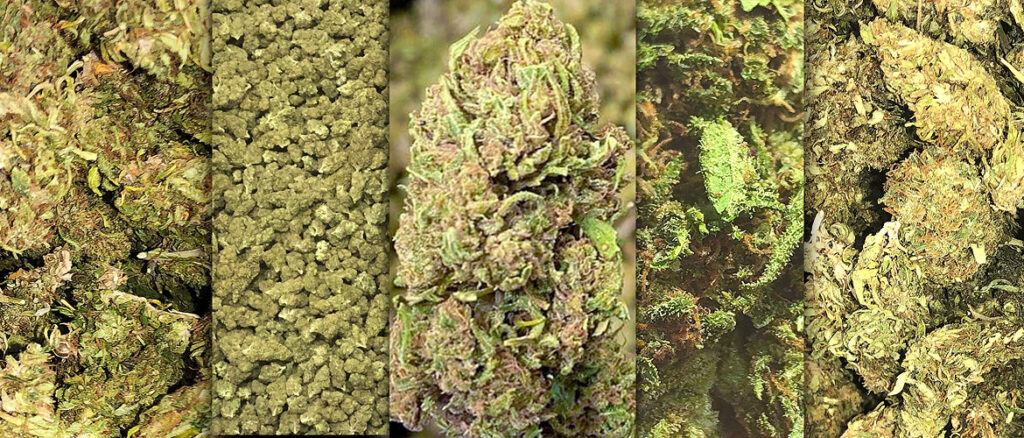
CBTrees hemp is sourced personally by touring Hemp farms to select the finest flowers grown in the United States. Our purchasing decisions are based on selecting the most beautiful flower clusters (buds). Meaning, the quality of the grow and cure supersedes the desire for any particular cultivar. CBTrees CBD and CBG hemp flower is 100% organic, pesticide-free and 100% legal in all 50 states.

CANNABIS and the
ENDOCANNABINOID SYSTEM

Cannabis is an ancient medicinal plant, but until very recently, the potential medicinal benefits of cannabis were largely dismissed due to the interference of the powerful pyscho-active effects. Although these side effects are very desirable to recreational users, due to a variety of social and economic influences, cannabis (marijuana) was treated as a nuisance to society, outlawed and for the most part, designated to the medical scrap heap. However, the psychoactive component of cannabis led to a breakthrough discovery – the endocannabinoid system.

The endocannabinoid system possesses a certain cannabinoid receptor (CB1R) that is a prominent subtype of the central nervous system. This receptor is a leading candidate as a potential therapeutic pathway in several pathological conditions, including neuropsychological disorders and neurodegenerative diseases.

Moreover, beyond the potential roles of cannabinoid receptors in the modulation of signaling pathways and in association with pathophysiological conditions, strategies are being developed to take therapeutic advantage of cannabinoids inherent within the cannabis plant.

CANNABINOIDS

Cannabinoids are naturally occuring compounds which activate the cannabinoid receptors in our endocannabinoid system. There are at least 85 different cannabinoids withing various cannabis cultivars (strains). Each have different properties and there is much more to learn about them.

Delta 9 Tetrahydrocannabinol (∆-9-THC)
Δ-9-tetrahydrocannabinol, aka D9-THC, or more commonly referred to as THC, is the main compound associated with the psychoactive properties of cannabis, and is most important in determining its legal status within the United States, in relation to the 2018 Farm Bill. Meaning, concentrations of less than .3% distinguish it as agricultural-industrial “hemp”, not to be categorized as recreational or medicinal marijuana. It is important to note that the most widely accepted scientific importance of this compound was that is allowed scientists to reveal the existence of the endocannabinoid system, a vital part of physiology within vertebrate animals, including humans. THC has been shown to be effective in the treatment of a variety of ailments and disorders including pain, tumors, nausea and ADHD.

∆-8-Tetrahydrocannabinol (∆-8-THC)
“Delta-8-Tetrahydrocannabinol is an analogue of tetrahydrocannabinol (THC) with antiemetic, anxiolytic, appetite-stimulating, analgesic, and neuroprotective properties. Delta-8-tetrahydrocannabinol (delta-8-THC) binds to the cannabinoid G-protein coupled receptor CB1, which inhibits adenyl cyclase, increases mitogen-activated protein kinase activities, modulates several potassium channel conductances and inhibits N- and P/Q-type Ca2+ channels. This agent exhibits a lower psychotropic potency than delta-9-tetrahydrocannabinol (delta-9-THC).”
– NiH.gov